Source Gold Bracelet for Decoration, Gift, and Health
Explore 30 gold bracelet options for decoration, gifts, and health applications. Compare customizable designs, stainless steel materials, and various styles to find the right supplier for your needs. This sourcing guide helps buyers evaluate product specifications, pricing tiers, and delivery times to ensure quality and reliability in bulk orders.
Key considerations
Products List




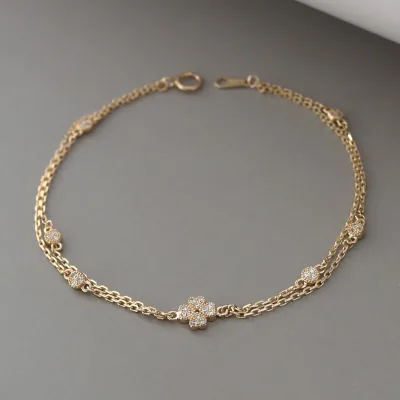
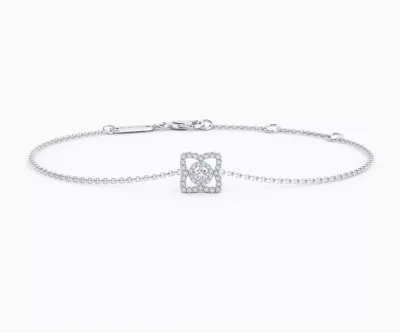
Comprehensive Sourcing Guide
Gold Bracelet Sourcing Guide
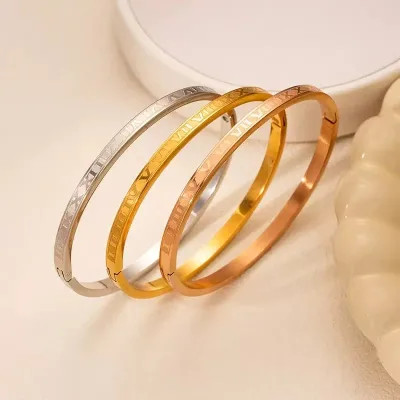
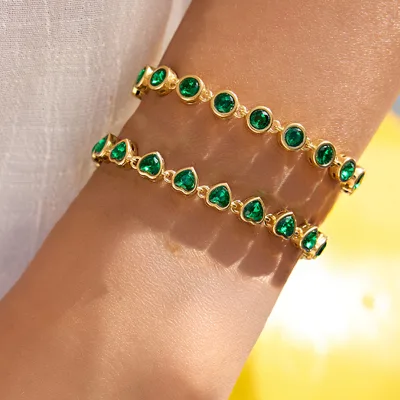
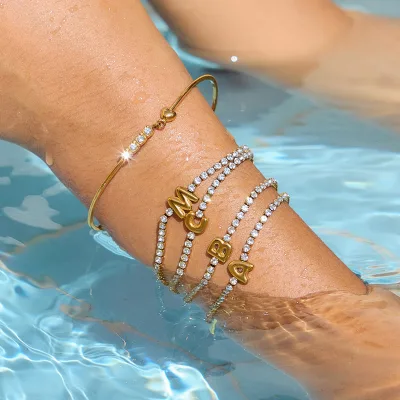
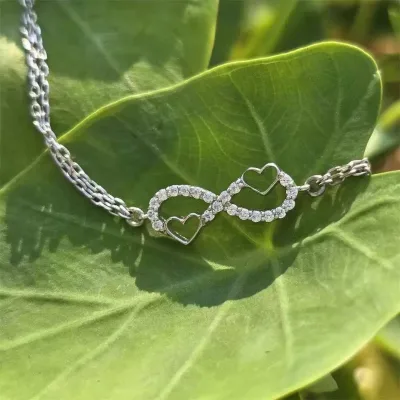
Procuring gold-toned bracelets requires distinguishing between fashion accessories and items with specific functional claims. The observed market data indicates a diverse range of products, from simple hollow frames to adjustable twist designs, often marketed for informal occasions or as decorative gifts. Buyers must carefully evaluate whether the "gold" designation refers to a plating finish on stainless steel or a specific alloy composition, as the supplied facts highlight stainless steel as a primary material for many listings.
Understanding the customization landscape is equally critical for successful procurement. Many suppliers offer tailored logo services and color variations, including purple-gold finishes or frosted neutral tones, to meet specific brand requirements. However, the availability of these features varies by model, with some items explicitly supporting OEM/ODM requests while others may have limited options. Buyers should verify the extent of customization before committing to an order to ensure the final product aligns with their design specifications.
Product Scope and Observed Listing Signals
The product scope for gold bracelets in this dataset spans various styles, including star fashion, exoticism, and simple designs, catering to different demographic needs such as female or elderly consumers. Listings frequently describe items as suitable for decoration, health, or gifting, though the "health" claim requires careful scrutiny against the actual material properties provided. The observed price range is exceptionally wide, suggesting significant variance in production costs, material quality, and branding strategies across different suppliers.
Listing signals often highlight specific model numbers like HDX22211 or 1019, which serve as unique identifiers for distinct product configurations. Packaging methods also vary, ranging from independent logistics packaging to simple OPP bags, directly impacting the perceived value and protection of the goods during transit. Buyers should note that while some items are described as having a "large frame gold hollow" texture, others may feature different structural designs, necessitating a review of physical samples to confirm the actual aesthetic and tactile qualities.
Technical Specifications to Verify
Technical verification begins with confirming the physical dimensions and structural integrity of the bracelet models. Specific standards cited in the data include width measurements such as 6cm or length specifications like 135mm by 5mm, which are critical for ensuring the product fits the intended wearer. Buyers must cross-reference these stated dimensions with actual product samples, as discrepancies can lead to returns or customer dissatisfaction, particularly for adjustable or bangle-style items where fit is paramount.
Material composition and surface treatment are equally vital technical parameters to validate. While stainless steel is a common base material, the finish quality, such as fade-proof warranties or leak-free standards, determines the longevity of the gold appearance. The presence of certifications like CE and SGS suggests adherence to certain safety benchmarks, but buyers should request specific test reports to confirm that the plating or coating meets the claimed durability standards for daily wear and resistance to tarnishing.
Compliance and Safety Documentation
Compliance documentation is essential for ensuring that gold bracelets meet international safety requirements, particularly regarding skin contact and material toxicity. The observed listings mention standards such as "Leak & Nickel Free," which are crucial for preventing allergic reactions in sensitive users. Buyers should insist on seeing valid test certificates from accredited laboratories to verify that the nickel content and other potential allergens are within safe limits, rather than relying solely on the supplier's verbal assurances.
Safety certifications like CE and SGS provide a baseline for regulatory compliance, but their scope must be clearly defined for the specific product batch. These marks indicate that the product has undergone testing for specific hazards, yet the exact parameters of the test should be reviewed to ensure they cover the relevant risks for jewelry. Procurement teams must maintain a file of these documents for each order to facilitate customs clearance and to demonstrate due diligence in the event of a product liability inquiry.
Cost Drivers and Commercial Terms
Cost drivers for gold bracelets are heavily influenced by the complexity of the design, the extent of customization, and the chosen packaging method. Items with intricate styles like star fashion or exoticism may command higher prices due to increased labor and tooling costs, while simpler designs might offer more competitive pricing. The observed MOQ range of 1 to 100,000 pieces allows for flexibility, but buyers should be aware that lower unit costs are typically associated with higher volume orders, requiring a balance between inventory risk and budget efficiency.
Commercial terms regarding delivery and payment are equally significant in the final cost calculation. While some suppliers promise on-time delivery, others specify a lead time of 7 to 15 days, which can impact supply chain planning and inventory management. Buyers must clarify the Incoterms and shipping responsibilities, as packaging types like independent logistics packaging may incur additional freight charges. Understanding these variables helps in negotiating favorable terms that align with the project timeline and budget constraints.
Supplier Qualification and Quality Control
Supplier qualification should focus on verifying their manufacturing capabilities and their history of fulfilling customization requests. The data indicates that many suppliers welcome OEM/ODM services and offer customized customer service logos, suggesting a flexible production environment. However, buyers must assess the supplier's capacity to maintain consistency across large batches, especially when dealing with complex color variations or specific model numbers that require precise tooling and quality checks.
Quality control protocols must be established to ensure that the final products match the agreed-upon specifications and standards. Given the wide range of observed attributes, from frosted neutral finishes to gold hollow frames, a robust inspection plan is necessary to catch defects early. Buyers should consider implementing third-party inspections during production and before shipment to verify that the items meet the required standards for material, finish, and packaging, thereby minimizing the risk of receiving substandard goods.
Long-Term Procurement Checks
Long-term procurement success relies on establishing a reliable supply chain that can adapt to changing market demands and design trends. Buyers should regularly review supplier performance metrics, including adherence to delivery times and the consistency of product quality over multiple orders. The ability of a supplier to maintain the "fade-proof" warranty and other quality claims over time is a key indicator of their reliability and the durability of their manufacturing processes.
Continuous communication and feedback loops are essential for maintaining a strong partnership with suppliers. As product models evolve or new styles like the purple gold two-color bracelet gain popularity, suppliers must be able to scale production and adjust specifications accordingly. Buyers should schedule periodic reviews to discuss potential improvements, address any recurring quality issues, and explore opportunities for cost optimization, ensuring that the procurement strategy remains aligned with long-term business goals.
FAQs
What materials are commonly used for gold bracelets in this category?
Gold bracelets in this category are typically made of stainless steel with gold coloring, which offers durability and a polished decorative appearance. Some listings describe hollow large-frame designs or frosted neutral finishes. Because material descriptions vary by listing, buyers should confirm the exact base metal, plating thickness, and finish with the supplier before placing an order.
Can I customize the logo and color on a gold bracelet order?
Yes, customization is available on many listings, including customer service logos and adjusted colors. Some products are listed with a customizable logo and a purple-gold or customer-chosen color option. Confirm the artwork format, placement, and any setup cost with the supplier, and note that customized orders may require a higher minimum order quantity than stock items.
What is the typical minimum order quantity for gold bracelets?
Minimum order quantities vary widely, with some listings showing an MOQ of 100 pieces and others accepting single-piece sales. Frosted neutral bracelets that are fully customized in size and color may have different MOQ requirements. Always check the MOQ stated on each listing and negotiate smaller trial quantities directly with the supplier if you need samples first.
Which certifications or quality standards do these gold bracelets meet?
Several listings reference CE and SGS standards, and some state a leak and nickel free standard, which matters for sensitive skin. A one-year fade-proof warranty is also mentioned on certain products. Standards can differ by listing, so request current test documentation from the supplier for the specific batch or model you intend to purchase.
How long does delivery usually take for gold bracelet orders?
Delivery times depend on the supplier and order type. Some listings state seven to fifteen days, while others emphasize on-time delivery commitments. Stock bracelets usually ship faster than customized logo or size orders. Confirm the exact production schedule and shipping method with the supplier before ordering, especially for timed retail or gift campaigns.
What packaging options are available for gold bracelet shipments?
Listings describe several packaging choices, including independent packaging, OPP bags, and logistics and transportation packaging designed for shipping protection. Selling units are typically a single item. If you need retail-ready boxes or gift packaging, discuss this with the supplier early, as packaging requirements can affect both cost and lead time for larger wholesale orders.
Can gold bracelets be made in custom sizes for different wearers?
Yes, size customization is offered on some products, with one listing noting customized sizes and specifications such as 135mm by 5mm or six centimeter dimensions. Adjustable twist designs also accommodate different wrist sizes without resizing. Provide accurate wrist measurements and confirm the size range with the supplier, since custom sizing may extend production time.
Which gold bracelet styles suit informal occasions and gifting?
Listings include star fashion, simple, exoticism, and two-color purple-gold designs, and several are marked for informal occasions and gift use. Hollow large-frame and knot bangle styles are also featured. Suitable wearers range from female buyers to elderly users depending on the model, so match the style and target wearer to your retail audience when selecting.